

The Rhythm of the Heart: Why Cardiovascular Health in Women Deserves Greater Attention
Associate Professor Ajita Kanthan, Cardiologist, Electrophysiologist and Pacemaker Specialist
When we think about cardiovascular disease, we often picture blocked arteries, heart attacks and cholesterol. But there is another important part of heart health that deserves greater attention—the heart’s electrical system and the rhythm it creates.
For women in particular, cardiovascular disease can be under-recognised. Symptoms may be subtle or attributed to stress, fatigue, hormonal changes or simply getting older. Palpitations, breathlessness, dizziness, reduced exercise tolerance and unexplained fatigue should not be dismissed, particularly when they are new, recurrent or worsening.
When the heart beats out of rhythm
Arrhythmias occur when the heart beats too quickly, too slowly or irregularly. One of the most common is atrial fibrillation (AF), an irregular rhythm originating in the upper chambers of the heart. AF can cause palpitations and fatigue, but some people have few or no symptoms.
Importantly, AF is not simply an inconvenience. It can increase the risk of blood clots and stroke, which is why identifying and managing cardiovascular risk factors is an essential part of treatment. Depending on an individual’s risk profile, treatment may include medications to control the heart rate or rhythm and anticoagulants to reduce stroke risk. (1. Escardio)
For some patients, medication is not enough—or is not well tolerated. This is where modern electrophysiology can offer additional options.
A new generation of arrhythmia treatment
Catheter ablation is an established treatment for selected patients with symptomatic atrial fibrillation. Rather than simply controlling the heart rate, ablation aims to interrupt the electrical signals responsible for the abnormal rhythm. Current international guidance recognises catheter ablation as an important treatment option, including as a first-line approach for some patients with symptomatic recurrent AF. (2. Escardio)
One of the most exciting developments is pulsed field ablation (PFA). Unlike traditional radiofrequency or cryoablation, which use thermal energy, PFA uses very short electrical pulses to create highly targeted changes in cardiac tissue. It has emerged as an important new technology in the treatment of atrial fibrillation and is attracting considerable interest because of its potential safety and efficiency advantages. (AHA/ ASA )
PFA is not appropriate for every patient, and as with any cardiac procedure, there are potential risks. These can include bleeding or vascular complications, recurrence of arrhythmia, pericardial inflammation or fluid, and—although uncommon—more serious cardiac or neurological complications. Careful patient selection and an experienced electrophysiology team remain essential. (ESC 365)
When the heart needs a little help
Not all rhythm disorders involve a heart beating too quickly. Some patients develop bradycardia, where the heart beats too slowly or pauses. In these circumstances, a pacemaker may be recommended.
Traditionally, pacemakers involve a small generator implanted beneath the skin and leads connecting it to the heart. Leadless pacemakers provide an alternative for selected patients. These miniature devices are implanted directly within the heart, eliminating the need for a conventional chest pocket and transvenous lead. (4.AHA/ASA)
I was recently privileged to reach a personal milestone of 50 next generation leadless pacemaker implants. For me, this milestone represents much more than a number. It reflects how rapidly cardiac technology is evolving and, most importantly, how these innovations can provide appropriately selected patients with less invasive treatment options.
Leadless pacemakers are not suitable for everyone, and they have their own considerations, including vascular access complications, device displacement or malfunction and the need to consider future pacing requirements. The right device should always be determined by the individual patient’s rhythm, anatomy, health and long-term needs.
Prevention remains powerful
Technology is transforming how we treat arrhythmias, but prevention remains fundamental. Blood pressure, cholesterol, diabetes, smoking, weight, sleep apnoea, alcohol consumption and physical activity can all influence cardiovascular and arrhythmia risk.
Women should also be mindful that cardiovascular risk can change throughout life, including around menopause and following pregnancy-related complications such as pre-eclampsia or gestational hypertension.
Most importantly, listen to your heart—and your symptoms. Persistent palpitations, an irregular pulse, fainting or near-fainting, unexplained breathlessness, chest discomfort or a significant change in exercise capacity warrant medical assessment. An ECG, ambulatory heart monitor or other investigations may help identify an arrhythmia that would otherwise remain undetected.
The future of cardiac care is increasingly personalised. From medication and conventional pacemakers to leadless devices and advanced ablation technologies such as PFA, we now have an expanding range of treatments to consider.
If you are experiencing symptoms or have concerns about your cardiovascular or heart rhythm health, speak with your GP about whether a referral to a cardiologist or electrophysiologist is appropriate. Early assessment can make a meaningful difference.
References
- European Society of Cardiology. 2024 ESC Guidelines for the Management of Atrial Fibrillation. European Heart Journal. 2024.
- Calkins H, et al. 2024 EHRA/HRS/APHRS/LAHRS Expert Consensus Statement on Catheter and Surgical Ablation of Atrial Fibrillation. Heart Rhythm. 2024.
- American Heart Association. Cardiovascular Disease Risk Factors in Women: The Impact of Race and Ethnicity. Circulation. 2023.
- Glikson M, et al. 2021 ESC Guidelines on Cardiac Pacing and Cardiac Resynchronization Therapy. European Heart Journal. 2021.
- Ngo L, et al. Safety and Efficacy of Leadless Pacemakers: A Systematic Review and Meta-Analysis. Journal of the American Heart Association. 2021.
This article is general information only and is not a substitute for individual medical advice. The treatments described are not suitable for everyone, and their suitability depends on an assessment by a qualified health practitioner who knows your circumstances. If you are experiencing symptoms or have concerns about your heart health, please speak with your GP or a specialist. Reading this article does not create a doctor and patient relationship.
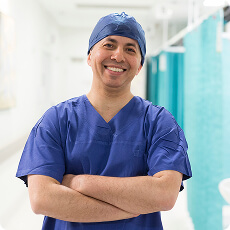
Associate Professor Ajita Kanthan
Is a cardiologist, electrophysiologist and pacemaker specialist with expertise in the diagnosis and treatment of cardiac rhythm disorders and advanced cardiac procedures. (Dr Ajita Kanthan)